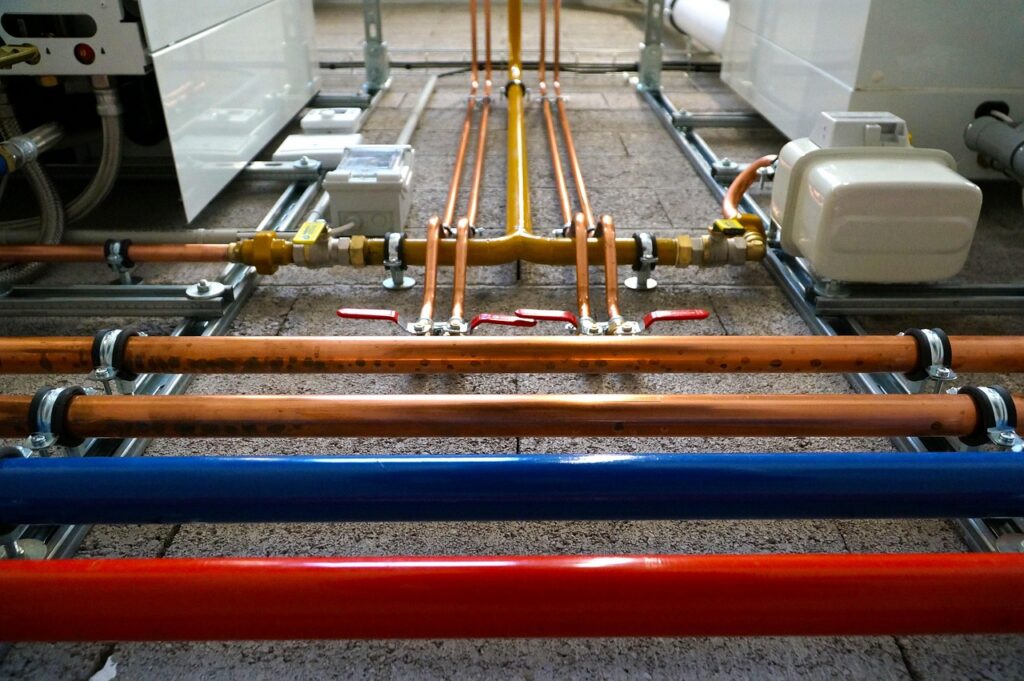
When pipes get clogged, time is of the essence. Fortunately, a 24/7 plumber available in Denver can provide immediate relief. This comprehensive guide aims to equip both do-it-yourselfers (DIYers) and professionals with the knowledge and steps needed to unclog pipes effectively. We’ll explore everything from basic DIY methods to emergency plumbing services in Denver, ensuring your pipes stay clear and your home runs smoothly.
Table of Contents
- Understanding Clogged Pipes
- Tools and Supplies for Pipe Unclogging
- Step-by-Step Guide for DIY Unclogging
- When to Call a Professional Plumber in Denver
- Choosing the Best Rated 24/7 Plumbers Near Me
- FAQ: Unclogging Denver Pipes
- Conclusion
Understanding Clogged Pipes
Clogged pipes are a common household issue that can lead to slower drainage, gurgling sounds, and even flooding if left unattended. Pipes become clogged due to various factors:
- Grease and Fat: Cooking oil, grease, and fat from dishes build up over time.
- Food Particles: Scraps from meals, especially grease-based ones, can stick to pipes.
- Toilet Paper and Wipes: Flushing non-biodegradable items down the toilet clogs pipes.
- Hair and Debris: Regular hair and other small debris can accumulate in drains.
Tools and Supplies for Pipe Unclogging
Before diving into unclogging methods, ensure you have these essential tools and supplies on hand:
- Plunger (a bell-shaped tool used to create suction)
- Drain snake or auger (a flexible cable with a gripping head for breaking apart clogs)
- Baking soda and white vinegar
- Boiling water
- Plastic bags (for collecting hair and debris)
- Old rags or towels
- A bucket for catching excess water
- Chemical drain cleaners (use sparingly as they can damage pipes; opt for natural methods first)
Step-by-Step Guide for DIY Unclogging
Method 1: Using a Plunger
- Prepare Your Workspace: Place old rags or towels around the sink to catch any water that may spill.
- Fill the Sink Partially: Pour enough water into the sink to cover the clog partially but not completely.
- Plunge in a Back-and- Forth Motion: Push and pull the plunger up and down firmly, creating a strong suction force. Maintain this motion for several minutes or until you hear a loud "gurgle," indicating that the clog is breaking up.
- Flush with Hot Water: Once the gurgling starts, pour hot water down the drain to wash away any remaining debris.
Method 2: Baking Soda and Vinegar Mixture
- Mix Baking Soda and Vinegar: In a bowl, mix 1/2 cup of baking soda and 1 cup of white vinegar until it fizzes and foams.
- Pour Mixture Down Drain: Slowly pour the mixture into the clogged drain, covering it completely.
- Let Sit for 15-30 Minutes: Allow the mixture to work its magic, breaking up any clogs.
- Flush with Hot Water: After the waiting period, flush the drain with hot water to clear out any remaining debris.
Method 3: Boiling Water Flush
- Boil a Pot of Water: Bring a large pot of water to a rolling boil.
- Pour Slowly and Strategically: Hold the pot at an angle and pour slowly into the drain, allowing some water to flow back into the pot. This technique helps to flush out clogs.
- Repeat as Needed: Repeat this process multiple times, gradually increasing the amount of water poured down the drain each time.
When to Call a Professional Plumber in Denver
While DIY methods can be effective for minor clogs, there are instances when it’s best to leave unclogging to professionals:
- Persistent Clogs: If your clog remains after multiple attempts with different methods, it might indicate a more serious problem.
- Severe Backups: Heavy backups or gurgling sounds throughout the house signal a severe issue that requires professional attention.
- Pipe Damage: Signs of pipe damage, such as leaks or corrosion, often require repiping or other complex repairs that are best left to experts.
- Root Intrusion: Tree roots can cause significant and difficult-to-remove clogs. A professional plumber will have the tools and expertise to address this issue.
Choosing the Best Rated 24/7 Plumbers Near Me
When you need immediate assistance, a 24/7 plumber available in Denver is crucial. Here’s how to choose the best:
- Check Online Reviews: Websites like Yelp, Google, and Angie’s List offer insights from previous customers about service quality and responsiveness.
- Local Licensing and Insurance: Ensure the plumber is licensed by the City of Denver and carries liability insurance for your protection.
- Emergency Service Track Record: Look for companies that advertise same-day service and 24/7 availability.
- Transparent Pricing: Reputable plumbers provide upfront, transparent pricing with no hidden fees.
FAQ: Unclogging Denver Pipes
Q: How often should I prevent pipe clogs?
A: Regular maintenance is key to preventing clogs. Use drain covers or catchers to trap hair and food particles. Pour hot water down the drain weekly to dissolve grease buildup. Avoid flushing non-biodegradable items down the toilet.
Q: Can I use chemical drain cleaners regularly?
A: Chemical cleaners should be used sparingly as they can damage pipes over time. Opt for natural, safe methods first, and only resort to chemicals when necessary. Always follow safety instructions and ventilate well when using chemicals.
Q: What if my clog is caused by tree roots?
A: Tree roots can cause persistent and severe clogs. Professional plumbers use specialized equipment like root cutters or hydraulic jets to remove roots without damaging pipes. Regularly trimming trees near drains can also help prevent this issue.
Q: How do I know if I need a plumber immediately?
A: Immediate attention is required if you experience: rapid gurgling sounds, water backing up into sinks or toilets, multiple clogs throughout the house, or visible pipe damage. These are signs of severe issues that should be addressed promptly to avoid further complications.
Conclusion
Unclogging Denver’s pipes doesn’t have to be a daunting task. With the right tools, knowledge, and a bit of patience, DIY methods can handle minor clogs effectively. However, for more complex situations, it’s best to turn to top trusted emergency plumbers in Denver who offer 24/7 service with affordable pricing. By following this guide and understanding when professional help is needed, you can keep your pipes flowing smoothly year-round.